What is dehydration?
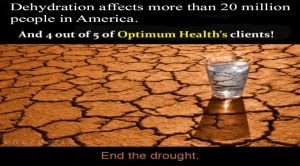
Dehydration and high cholesterol are connected. We can understand this better by getting a better understanding of dehydration. Dehydration is defined as the excessive loss of body fluid. Symptoms generally become noticeable with mild dehydration, which is the loss of 1- 2% of one’s normal water volume.
What causes dehydration?
 At Optimum Health, the main cause of dehydration is drinking less water than you use up each day. In other words, if you keep putting in less than you use, the total amount of water in your body will keep decreasing. Eventually, it will decrease to the point of you being dehydrated. The amount of water you need each day typically depends on your size and how much you sweat. Your brain should signal a desire for you to drink the proper amount of water each day. In many cases, the signal for thirst just is not generated, causing people not to drink water. Or, worse yet, to drink everything but water. Why? A protein deficiency is what we have found to be the main reason why the brain allows people to drink less water than they need.
 Protein, once eaten, is broken down into its amino acid building blocks. These amino acids can enter the brain and become neurotransmitters. The brain uses neurotransmitters (modified amino acids) to create the desire for water. If you eat and properly digest enough protein, you can have enough neurotransmitters to signal thirst. In this case, you will crave water and drink it happily. If you don’t eat and properly digest enough protein, you may not have enough neurotransmitters to signal thirst. In this case, you will not crave water. You may even refuse to drink it. This will lead to dehydration.
What is the connection between dehydration and high cholesterol?
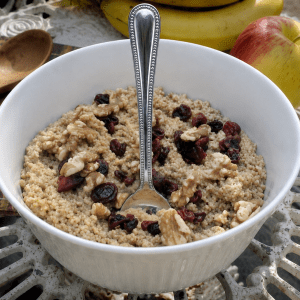 Think of cooking oatmeal without enough water. The oatmeal will not run out of the bowl when you turn it upside down. Why? Because gravity is not strong enough to pull the thick oatmeal from the pot.
Water Thins The Blood
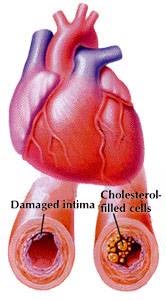 This is what happens when you don’t drink enough water. You don’t put enough water in your blood. In turn, your blood becomes too thick. When the heart and muscles around the blood vessels squeeze and push the thick blood through them, the thickened blood damages the vessels. Cholesterol is called out to patch the damaged vessels.
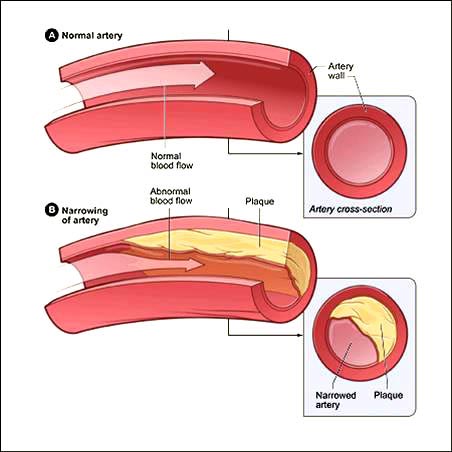 Remember, a protein deficiency is what started this process. Another symptom of a protein deficiency is slow wound healing. Therefore, in the face of a protein deficiency, damaged vessels may take a long time to be repaired. In the meantime, the cholesterol patch is there doing its job to keep the blood vessel from tearing. Without the proper oils in the diet, the cholesterol can become sticky and cling to things as they float by. This can begin to close off blood vessels, reducing blood flow.
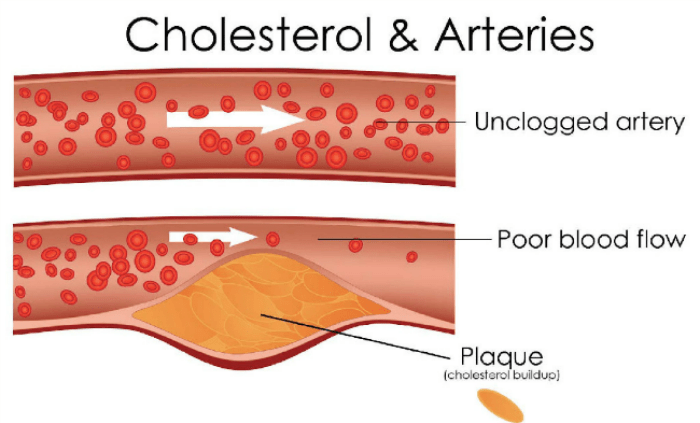
The longer you are dehydrated, the more blood vessels you will have to get damaged. All the cholesterol being called out to bandage the damaged blood vessels will raise your cholesterol level and possibly begin to block many arteries. As the arteries become blocked from the cholesterol patches (plaques), the blood flow all over the body begins to decrease, causing major problems such as strokes, heart attacks, and sudden death.
For information on reversing high cholesterol and clearing blocked arteries, click here.
Dehydration and High Blood Pressure: Related Topics
What are the symptoms of dehydration?
How much water should I drink each day?
Should I drink water with my meals?
Why don’t I like to drink or crave water?
What might make me drink more water?
Can Dehydration Cause High Blood Pressure?
Dehydration and High Blood Pressure: Most Visited Topics
Optimum Health’s Concept of Healing
Primary Wellness Consultations
Natural Healthcare Center Location
Donations: Help Us Help Others
Email Us: How Can We Assist You?
 Start your path to optimum health by scheduling your appointment today. Member: Certified Natural Health Professionals