High Blood Pressure: What is it?
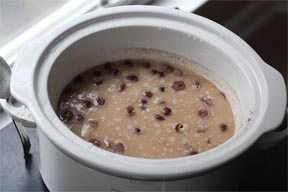 The complex topic of high blood pressure is easy to understand if you think of it in terms of oatmeal. Cooking oatmeal with too much water in the pot will make it runny. You can turn the bowl upside down, and the oatmeal will run out. Why? Because gravity is strong enough to pull the oatmeal from the bowl.
 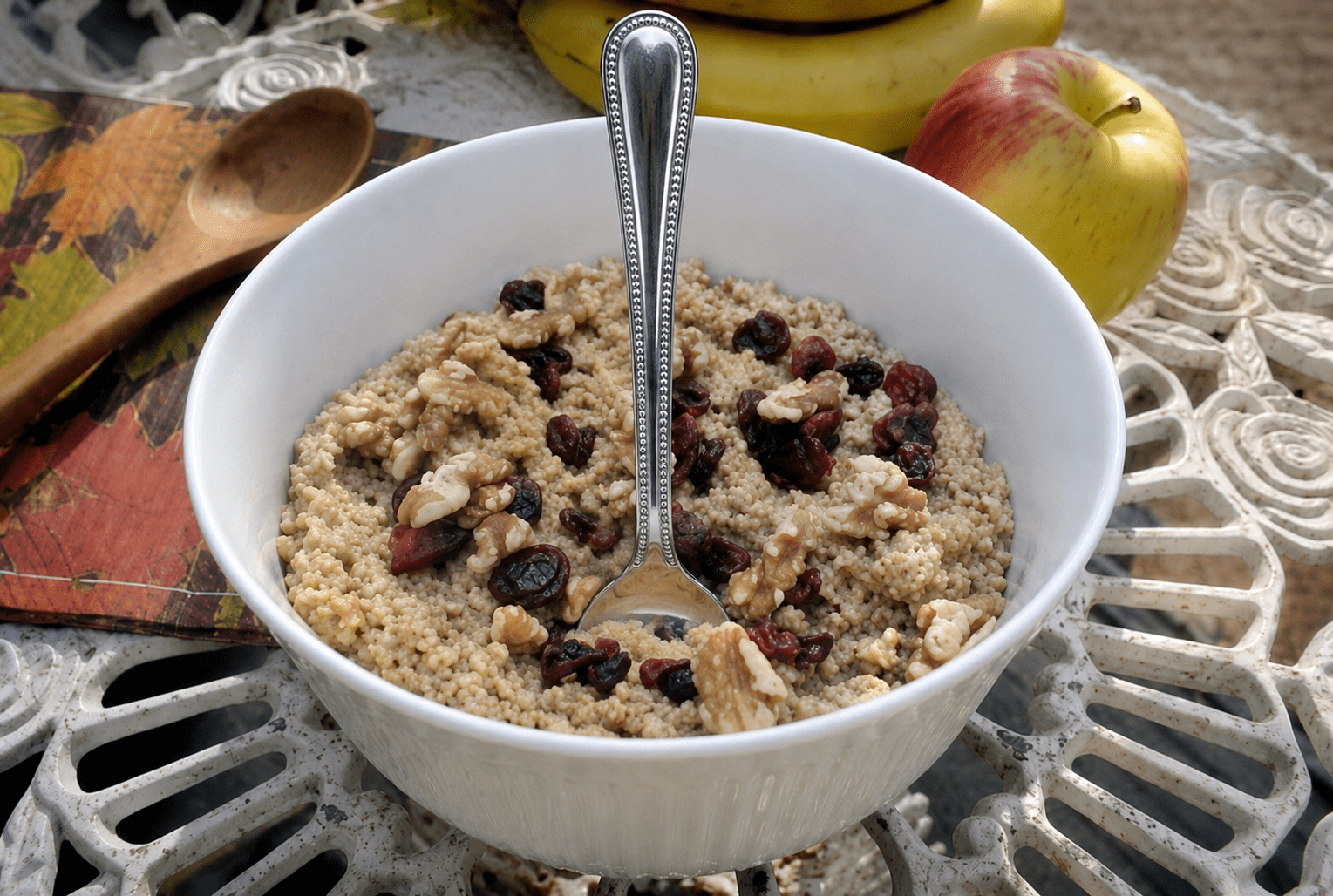 If you put too little water in the bowl when cooking the oatmeal, it might be thick enough for a spoon to stand upright in it. The oatmeal will not run out of the bowl when you turn it upside down. Why? Because gravity is not strong enough to pull the thick oatmeal from the bowl.
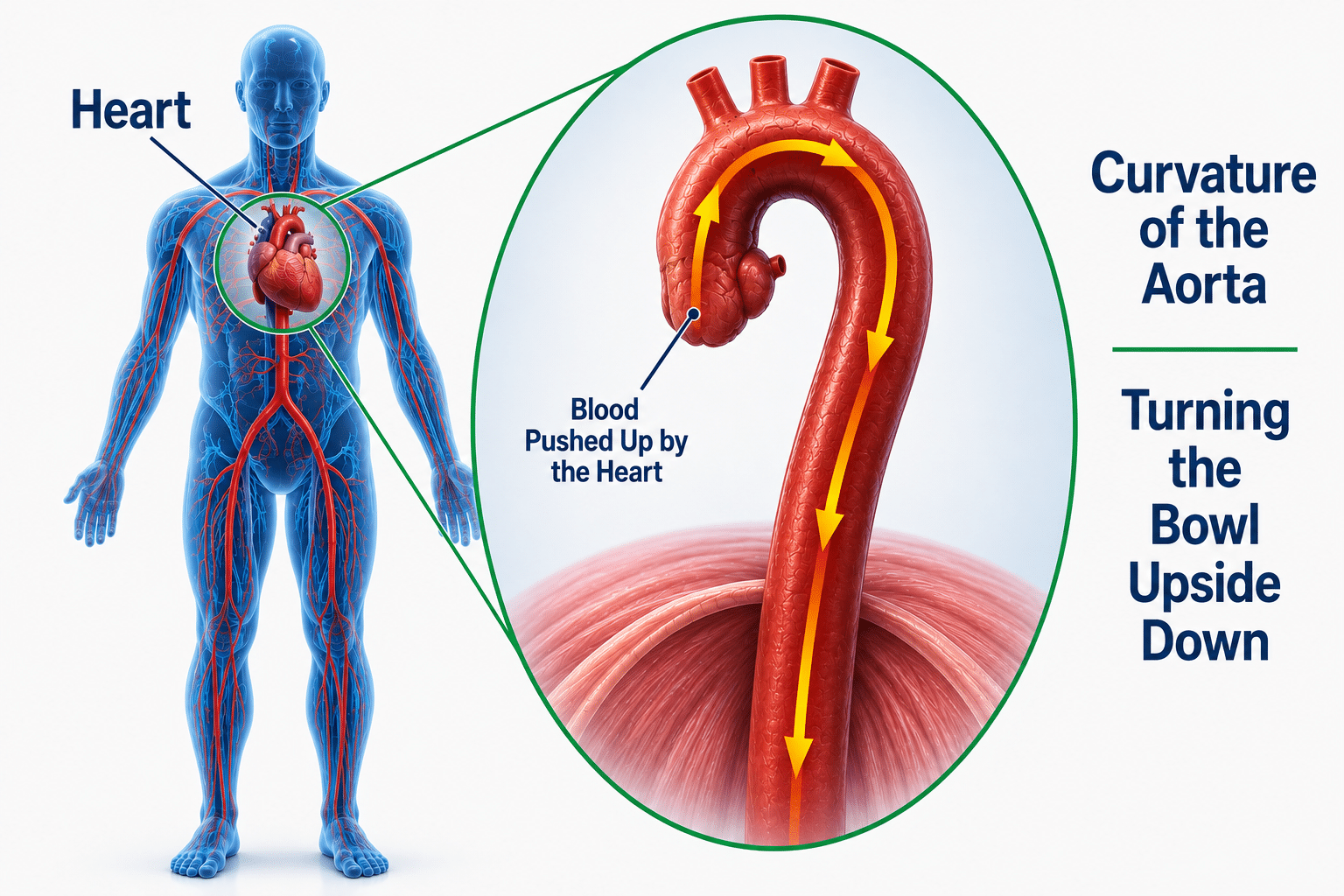
The same thing happens with your blood. The oats are like your blood cells. The water you use to cook the oatmeal is comparable to the water you drink each day. When you don’t drink enough water, you don’t put enough water in your blood, causing it to become too thick. When the heart squeezes and pushes the thick blood up into the aorta (see the picture below), the blood has to fall down out of the aorta where it bends. This is the equivalent of turning the bowl of oatmeal upside down.
High Blood Pressure and Decreased Water:
Among the population we assist, high blood pressure is most often caused by insufficient water intake. At least, that is the biggest reason we see at our natural healthcare facility. People often think the cause of high blood pressure is eating too much salt. However, drinking enough water will dilute the salt and prevent it from being a problem. But if you are not drinking enough water, salt will truly intensify your problem.
At Optimum Health, eliminating dehydration typically helps restore normal blood pressure levels. The exception is seen with toxicity, such as mercury toxicity.

High Blood Pressure and Toxicity:
High blood pressure and toxicity are often seen together. Specifically, mercury toxicity is the second most common cause of high blood pressure that we see at our natural healthcare center. Mercury usually causes the top number of your blood pressure to go up while the bottom number stays fairly normal. This is now called isolated systolic hypertension. A typical isolated systolic high blood pressure reading could be 140/85, 150/90, or possibly 210/90. We theorize that the pieces of mercury in the blood thicken the blood in the same way that too many pieces of oats thicken the oatmeal. At Optimum Health, we use dermal chelation to help your body lower mercury levels, which typically results in normal blood pressure.
In fact, one of our clients fell and broke her hip. She was in the hospital for two weeks. The top number of her blood pressure climbed above 200, while the bottom number remained below 100. The doctors administered blood pressure medication, which lowered the bottom number too low while the top number hovered just under 200. At this point, we instructed the family to show her blood pressure log to her physicians. The blood pressure log clearly documented that the dermal chelation process brought both of her numbers into the normal range every time over several years. As a result, the doctors told the family to bring the dermal chelation equipment to the hospital. For the first time in medical history, the dermal chelation process was done in a hospital. Yes, her blood pressure dropped to normal, and she was discharged the next day.

Mercury Toxicity Sources:
 The biggest source of mercury is the amalgam (silver-colored) fillings in teeth. According to the International Academy of Oral Medicine and Toxicology, these fillings outgas mercury every day. By the time they are 10 years old, they outgas mercury 1,000 times more than considered safe all day long. When you chew gum on them, chew your food, or drink hot drinks after the 10th year, they outgas mercury at 1 million times the level considered safe.
Mercury Toxicity: Other Symptoms
Symptoms of mercury toxicity are many and spread out all over the body. Mercury is a soft tissue seeker. This means that mercury seeks out your soft tissues, such as your heart, brain, muscles, liver, and kidneys, to store. The organs storing the mercury will struggle. For example, storing mercury in the muscles causes them to hurt and can lead to a diagnosis of fibromyalgia. Storing mercury in the brain can damage brain cells and impair brain function, leading to diagnoses such as dementia, Alzheimer’s, Parkinson’s, etc.
Additional Popular Topics:
Optimum Health’s Concept of Healing
Primary Wellness Consultations
Donations: Help Us Help Others
Email Us: How Can We Assist You?
Our highly trained and certified professionals guide, educate, and support you through every step of learning and taking action. We are here to help. Start your path to optimum health by scheduling your appointment today.
Member: Certified Natural Health Professionals