 Feeding autistic children can be a challenge. Initially, your child may not be willing to try new foods. You may have tolerated them only eating ice cream as your child may prefer to starve rather than eat something else! Or your child may vomit up new foods.
Remember, toddlers (the stage of development for most autistic individuals) tend to be very picky about what they will eat. We are usually still introducing foods at that time. So, it is understandable that a child who has not progressed through this developmental stage would still refuse new foods. However, as the autism recovery process proceeds, your child will become capable and willing to try new foods.
Some of the children in our autism recovery program have just suddenly reached into a parent’s plate to take new foods and try them. Then, spit out what was undesirable and pick up something else to try! Others require the use of special techniques like Big Plate Little Plate.
Feeding Autistic Children:
BIG PLATE LITTLE PLATE
In order for Big Plate Little Plate to become an option, your child must be capable of transitioning and bargaining. Also, your child should no longer give drastic responses such as vomiting or starvation when presented with new or undesirable foods.
Big Plate Little Plate requires you to introduce a very small amount of new or undesirable foods on a little plate. The little plate can be a saucer or a tiny, toy plate.
Feeding Autistic Children:
Little Plate Example

Once they have at least tasted the food on the little plate, you may then give him his favorite food on a bigger, regular-sized plate. Eventually, you can require that he eat all of the food on the little plate before his is given his favorite foods on the bigger plate.
Feeding Autistic Children:
Little Plate Example with Amount Increased

The next step is to slowly increase the amount of food on the little plate requiring him to eat it all before getting his favorite foods on the bigger plate. You can even begin to add a little variety to the little plate still requiring that he eat all of it before getting the big plate.
Feeding Autistic Children:
Little Plate, Additional Example
| Example | Little Plate Example with Amount Increased |
|---|---|
 |
 |
You may find that the child will throw a tantrum or refuses to eat. This is acceptable just as long as it is a tantrum and not a meltdown. Simply walk away and come back every 5-10 minutes to see if they eventually eat the food within an hour.
Feeding Autistic Children:
Big Plate Little Plate Combined
Examples with undesirable food added to big plate
 |
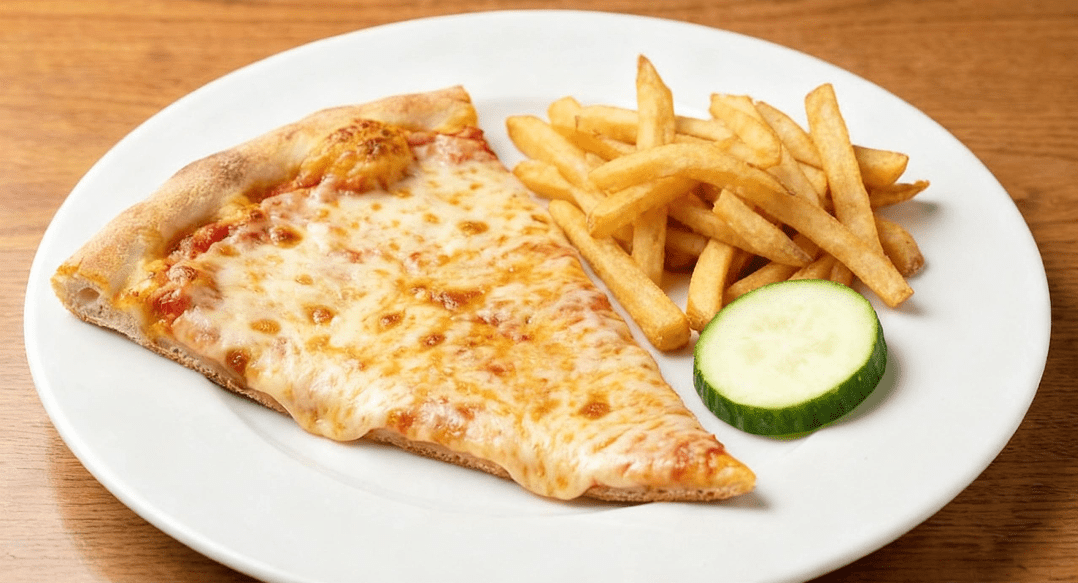 |
As your child progresses through this phase, you can try combining the foods onto one plate to see if he will still eat the new or undesired food.
Feeding Autistic Children:
Foods to Omit When Feeding Autistic Children

Foods to omit when feeding autistic children include rice, quinoa, seafood, fish, and anything else from a body of water. Why? These foods are loaded with substances like mercury and arsenic that are well known to cause symptoms that can easily be misdiagnosed as autism. Clients have fully recovered from their diagnosis of autism just by eliminating all of these foods.
Keep in mind that the body is very capable of removing arsenic. Unfortunately, it takes the body 25 years to remove all of the mercury from the first day of exposure. This means that the body may need help removing the mercury.
Next:
Success With Sleep Issues Associated With Autism
Theory Of Mind: A Key To Understanding The Thinking Of Autistic Children
Other Popular Topics:
Optimum Health’s Concept of Healing
Primary Wellness Consultations
Donations: Help Us Help Others
Email Us, How Can We Assist You?

Start your path to optimum health by scheduling your appointment today. Member: Certified Natural Health Professionals