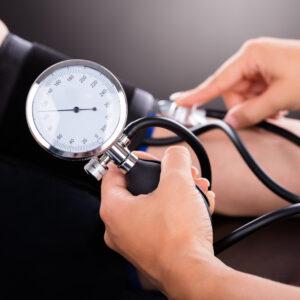
 Understanding increased systolic blood pressure (isolated systolic hypertension or ISH) and thick blood requires some background information. Let’s start there. Your systolic blood pressure is the pressure in your heart and blood vessels when the heart squeezes (pumps). It is written as the top number in your blood pressure reading.
An example of systolic blood pressure is 90 in a reading of 90/70, which indicates an excellent systolic blood pressure. The top number in a blood pressure of 135/80 indicates increased systolic blood pressure (ISH). In this case, a physician may recommend medicine. However, blood pressures like this can be hard for a physician to manage. Why? Because the bottom number is solidly normal, medicines may lower it too much. A systolic blood pressure of 180 can indicate an emergency ISH situation. Consider the following oatmeal analogy to better understand what might be happening with isolated systolic hypertension.
Increased Systolic Blood Pressure
The Oatmeal Analogy
In this analogy, the oats represent the cells and other things floating in your blood. The water used to cook the oatmeal represents the liquid (serum) portion of your blood. First, let’s cook the oatmeal by adding the maximum amount of water allowed for the pan, 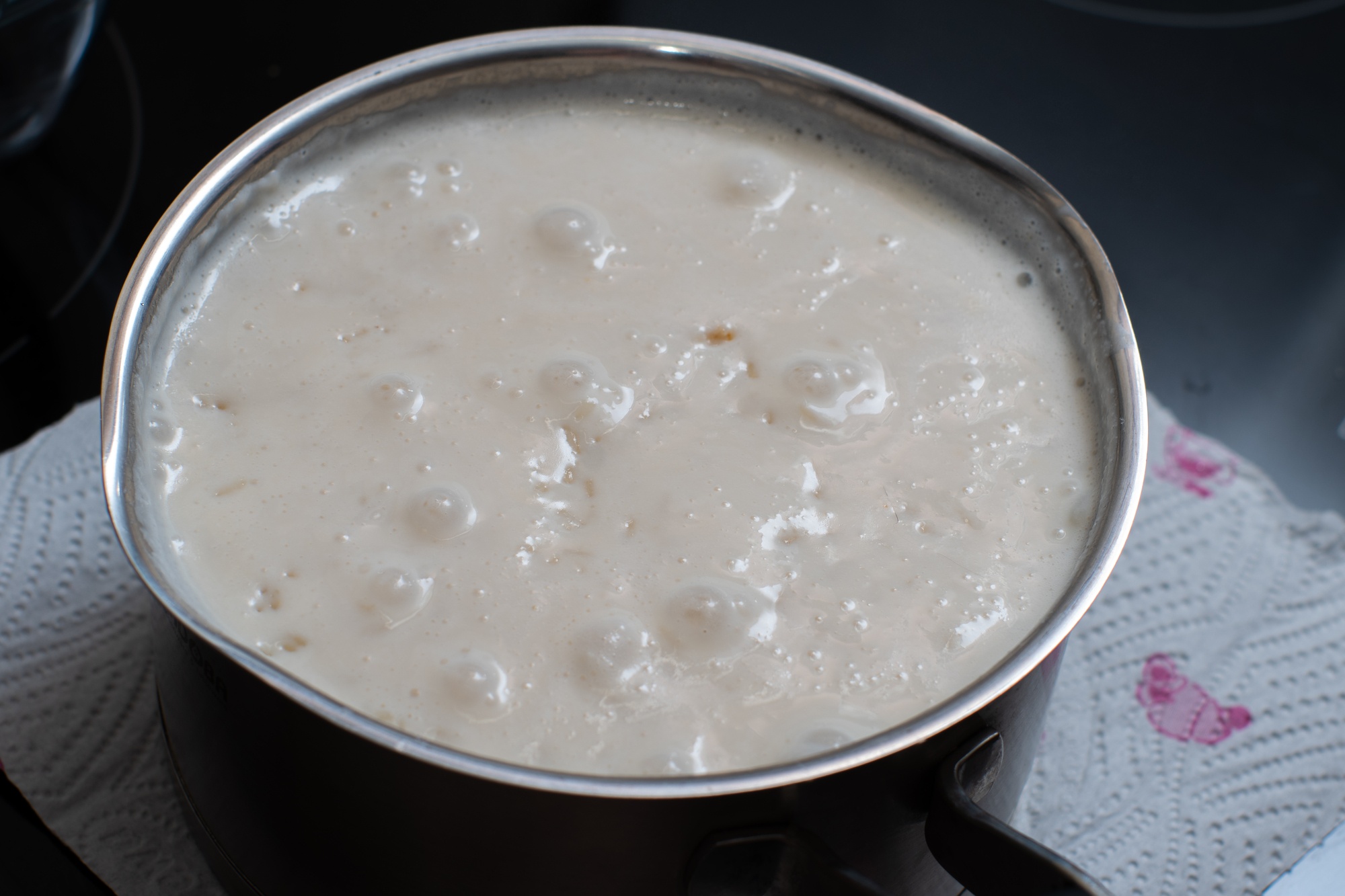 and then add the correct amount of oats. What happens when you turn the pan upside down? The oatmeal falls to the floor. Why? Because the force of gravity is strong enough to pull the oatmeal from the pan.
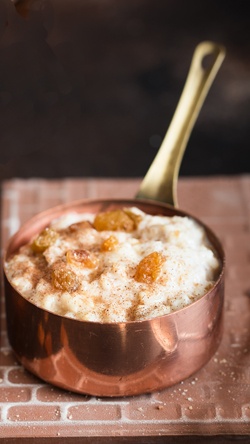 Now, let’s cook the oatmeal, adding the maximum amount of water again. This time, let’s put too many oats in the pan. The oatmeal is now sticking up out of the pan. What happens when you turn the pan upside down? The oatmeal will not run out of the bowl. Why? Because gravity is not strong enough to pull the thick oatmeal from the pan.
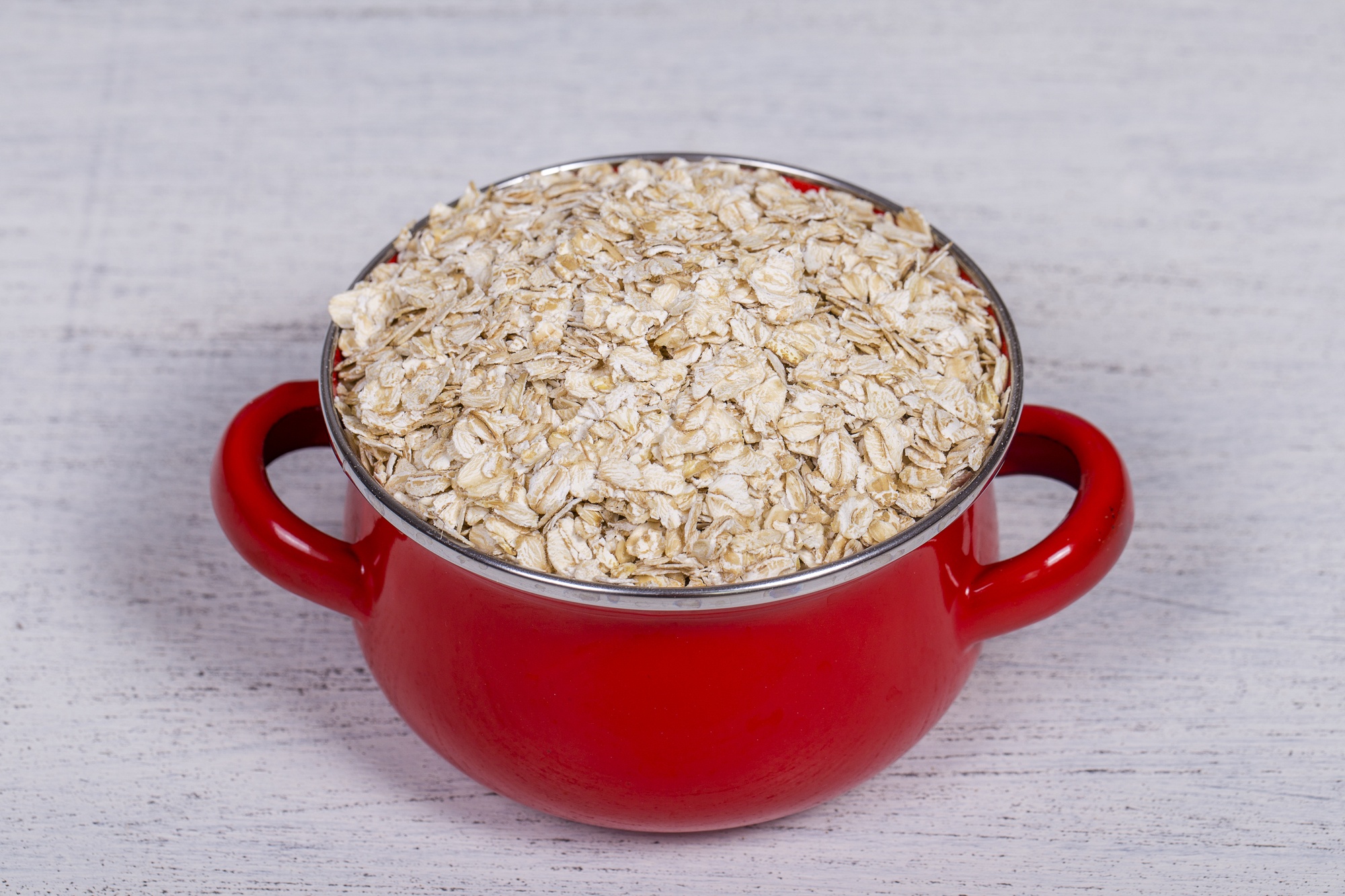 Finally, let’s cook the oatmeal, adding the maximum amount of water again. This time, let’s put twice as many oats as instructed. Not all of the oatmeal may get wet! What happens when you turn the pan upside down? The dry oatmeal will fall out, but the rest will not. Why? Because gravity is not strong enough to pull the thick oatmeal from the bowl.
Thinking about oatmeal helps you understand what happens to your blood. When you drink enough water and have the proper amount of “things” in your blood, your blood is as thin as it should be. When the heart squeezes, it pushes blood into a large blood vessel called the aorta, as seen in the picture below. Gravity can easily pull the blood down out of the aorta where the aorta bends (aortic arch).
However, if you have too many “things” in your blood, it can become too thick. In this case, the heart must work harder using increased pressure to push the thick blood into the aorta. Also, gravity is unable to pull the thick blood down out of the aorta where the aorta bends.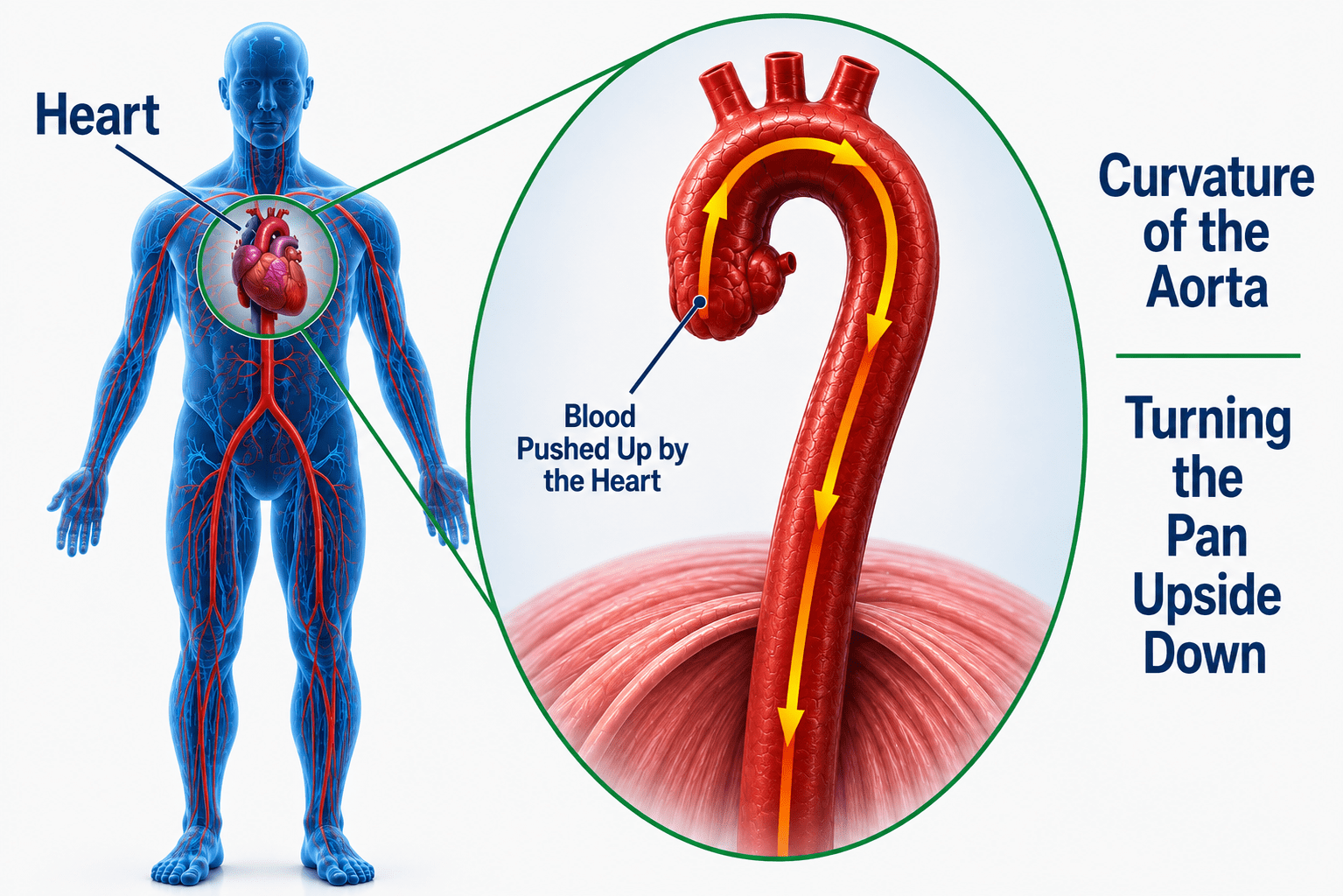
Increased Systolic Blood Pressure
Thick Blood & Increased Blood Pressure
Eliminating Isolated Systolic Blood Pressure
What Are the Extra Things that Can End Up in the Blood?
How Do I Remove the Extra Things?
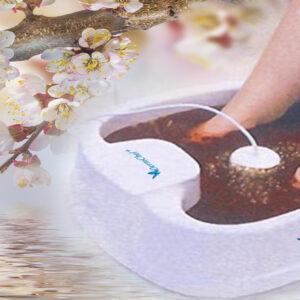 At Optimum Health, we recommend two main ways to remove the extra things in the blood: dermal chelation and a TENS unit. Dermal Chelation gives your body an opportunity to release unwanted substances from your blood through the pores of your feet. The TENS unit is like putting each microbe into the electric chair. It can even be likened to setting off the atom bomb inside the body. Once killed, these microbes are easily removed from the blood by the body. We have seen these two processes, combined, reduce nearly all cases of isolated systolic hypertension to normal levels in just one appointment.
Success Removing Extra Things with Total Body Cleanse
 Some may wonder why her blood pressure (typically isolated systolic hypertension) was still spiking after doing the dermal chelations for 6 months. Her body contained extremely high levels of heavy metals. The equipment, used under strict guidance from our practitioner, was allowing her body to slowly release the heavy metals in a controlled manner. She would have to continue the slow release until her heavy metal load dropped to levels too low to affect her blood pressure.
Next:
 Could dehydration be causing my increased systolic blood pressure?
Chinese Medicine’s View of Dehydration and High Blood Pressure

Should I stop my high blood pressure medicine?
Could dehydration also cause high cholesterol levels?
LATEST VIDEOS:

Video on Improving Your Health
Where can you find your optimum health status? Take a quick peek and see.
Video on the History of Stethoscopes
This medical device can detect problems during a routine medical exam. Get to know what prompted the stethoscope’s invention and how it evolved.

Video on Autism Progress
Can a child diagnosed with autism lose the desire to stim? Follow Patrick’s progress and see just how much he improves.
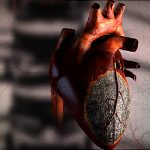
Video: An Inside Look at What Causes a Widow-Maker Heart Attack
Where does a widow maker get its name? Take an inside look at what causes your heart to suddenly stop.

Increased Systolic Blood Pressure: Related Topics
What are the symptoms for dehydration?
How much water should I drink each day?
Should I drink water with my meals?
Why don’t I like to drink or crave water?
What might make me drink more water?
Increased Systolic Blood Pressure: Most Visited Topics
Optimum Health’s Concept of Healing
Primary Wellness Consultations
Natural Healthcare Center Location
Email Us: How Can We Assist You?
 Start your path to optimum health by scheduling your appointment today. Member: Certified Natural Health Professionals

References: